Building a game inside Telegram’s constraints
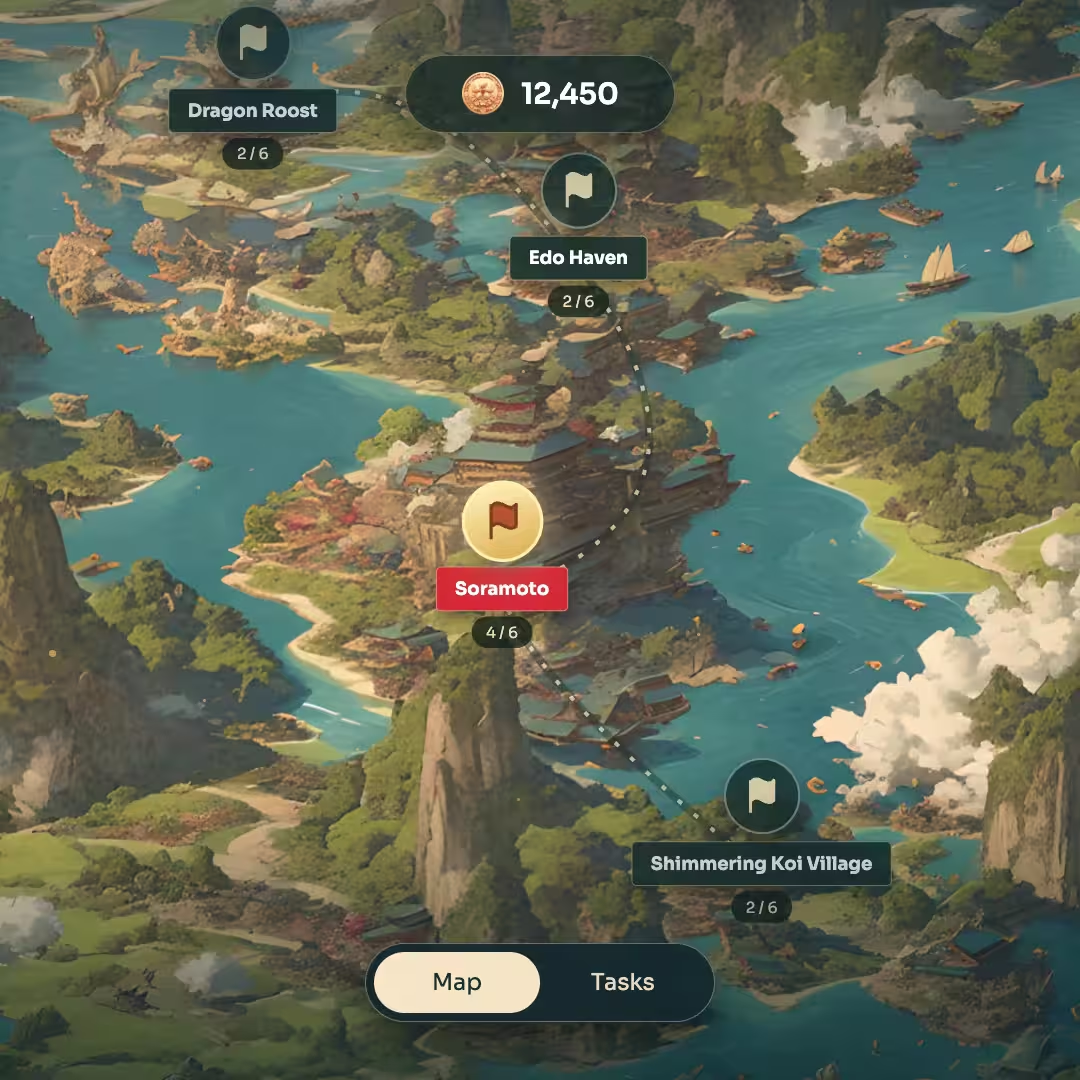
I loved working on SORATOPIA. Behind its illustrated world was a game with player progression, rewards, and blockchain interactions, running inside Telegram. My role combined technical leadership, project management, and hands-on development. One of the hardest challenges was making that experience dependable when the integration itself could fail intermittently.
I investigated Telegram’s source code and compared different Mini App integration approaches to understand where those failures came from. I worked on the application’s startup flow and added diagnostics that made it easier to trace what happened between launch and loading a player’s account. Launch context also mattered. An invitation could arrive through the page URL or Telegram’s own launch data, so the application needed to handle both. These details affected whether someone could enter the game at all.
I also investigated automated abuse. Someone who understood the requests between the game and its middleware could attempt to reproduce those actions without playing through the interface. I researched techniques used by other consumer applications and implemented browser-side experiments, including developer-tool detection, to make casual inspection and automation more difficult. The constraint was to work within our existing architecture, so I had to weigh each approach against its compatibility, maintenance cost, and effect on legitimate players.
That work involved understanding the limits of the browser as well as its capabilities. JavaScript runs on the player’s device, and browser-side deterrents can be bypassed. Account authorization and reward decisions ultimately require server-side enforcement. My research explored how much friction we could add at the front end while keeping the game usable and the implementation manageable.