The case for changing a working product
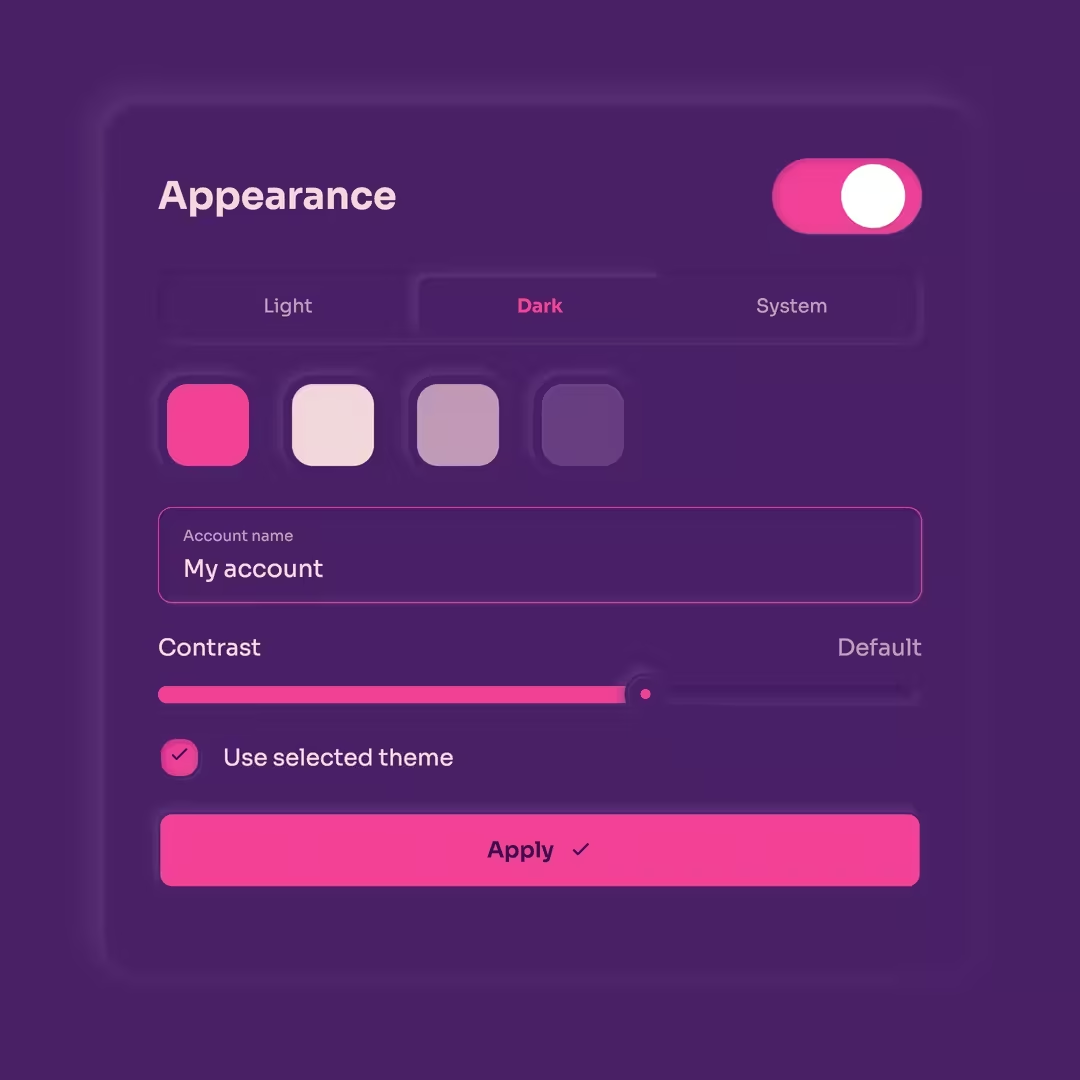
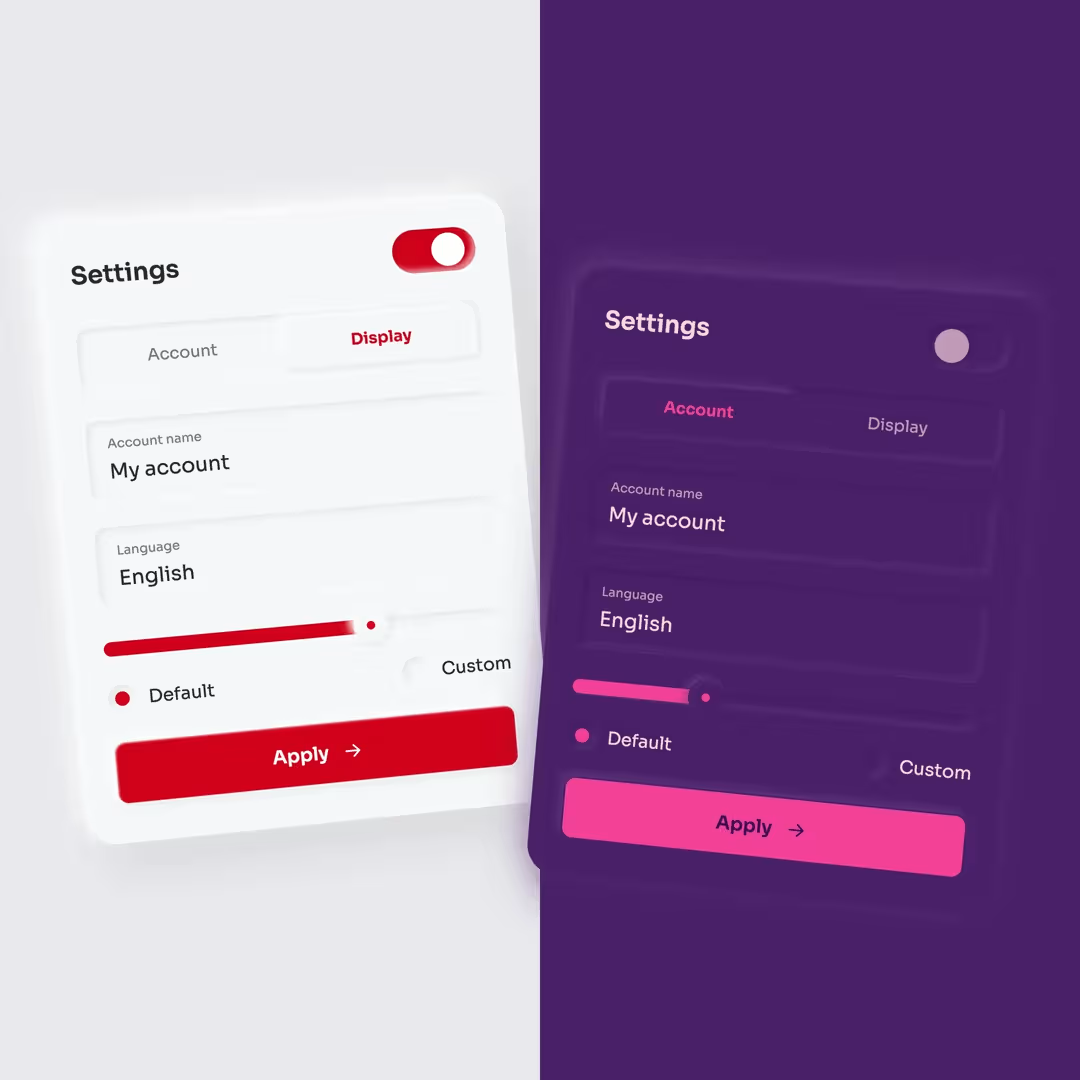
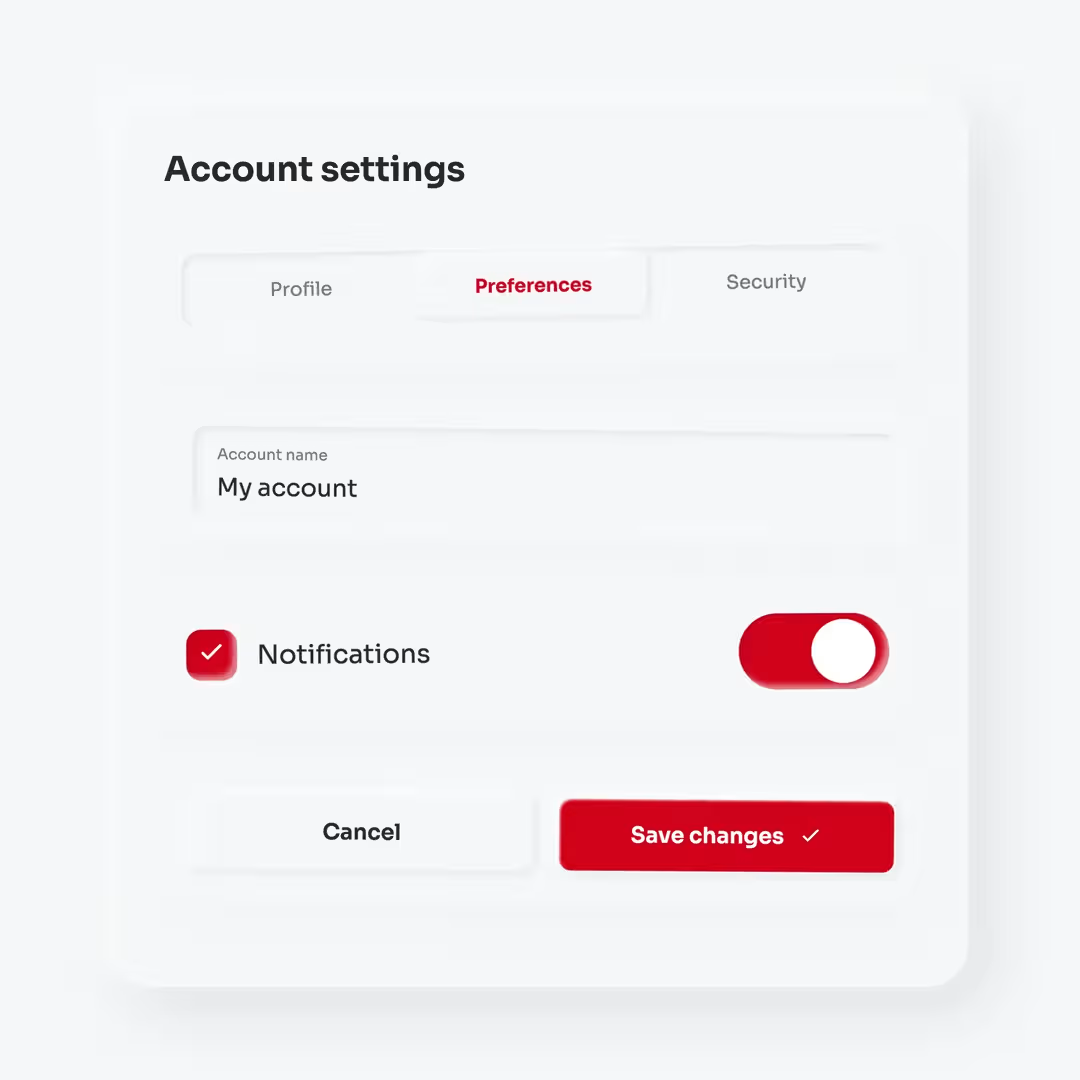
When I joined Soramitsu in 2020, I reviewed the company’s entire product portfolio as part of my onboarding. I started working on several of those products on my first day. The same controls appeared in the design mockups for nearly every product, so I looked for shared components and conventions I could use in my own work. In most cases, each team had built its own version. A fix in one application still left the others with the same work to do. I took that problem to my project manager and proposed a shared UI kit. He backed the idea, and we set aside time for me to build it alongside my product work.
The harder decision came when I asked teams to adopt the kit in applications that already worked. Each project manager would have to make room in an upcoming release. I organized company-wide presentations for the executive team and brought estimates and examples from other companies. In product meetings, we compared the cost of migration with the engineering time a team could save on later features and fixes. In front-end meetings, we worked through which behaviors each product relied on and how to preserve them during the switch.
I led the refactoring and worked on the applications myself. In July, I migrated the Unkai application and connected it to the UI Kit. In September, I used that same setup in the first commit of a new exchange application. In October, I put it in the getting-started guide and added an interactive example where engineers could try their product’s colors on the controls. Teams left our sessions with a setup they could use in their own codebase.
By the end of 2020, almost every active front-end project at Soramitsu used the kit, and new projects started with it. Engineers moving between products could bring their knowledge of component behavior, styling, and shared utilities with them. They could spend their onboarding time learning what made the new product different.